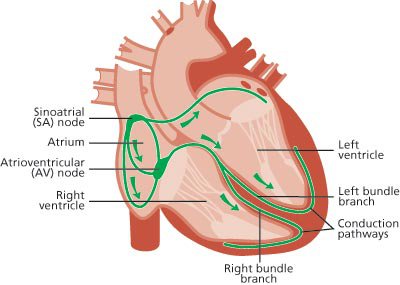
Perioperative tachycardia, a common occurrence throughout surgical procedures and the immediate after period, presents a issue for healthcare professionals. It refers to a rapid heart rate exceeding a predetermined threshold, typically considered 100 beats per minute or more. This condition can arise due to a variety of factors, including physiological stress, anxiety, pain, and underlying medical conditions. Understanding the causes and potential implications of perioperative tachycardia is vital for providing optimal patient care.
Early identification and management are critical to minimize complications. Healthcare providers should closely monitor patients' heart rates during the perioperative period and implement appropriate interventions, such as pharmacological therapy, to restore hemodynamic stability.
Managing Postoperative Tachycardia: A Clinical Guide
Postoperative tachycardia, a common complication following surgery, can present significant challenges for clinicians. This phenomenon is characterized by an elevated heart rate as well as typically persists a prolonged period post-procedure.
Understanding the underlying causes of postoperative tachycardia is crucial for developing effective management strategies. Various factors can contribute to this situation, including pain, anxiety, fluid depletion, and autonomic nerve system alteration.
Effective control of postoperative tachycardia entails a multimodal approach. Medication-based often play a central role, with options such as beta-blockers and calcium channel blockers employed to regulate heart rate. Alongside medication therapy, non-pharmacological can be instrumental. These may include stress reduction techniques, optimization of pain management, and adequate fluid replacement.
An comprehensive assessment of the patient's clinical status, with consideration to their medical history, current medications, and postoperative course, is essential for adjusting the management plan. Frequent monitoring of vital signs, including heart rate, blood pressure, and oxygen saturation, is crucial to ensure patient safety and optimally manage postoperative tachycardia.
Understanding Perioperative Heart Rate Changes
Elevated heart rhythms during the perioperative period can present as a common physiological response to various stimuli. A myriad of influences can underlie this phenomenon, ranging from anesthetic agents and operative stress to underlying medical conditions.
It's essential for clinicians to thoroughly determine the origin of perioperative heart rate elevation, as it can affect patient outcomes and guide management strategies. A comprehensive history should include a detailed review of the patient's medical history, preoperative vital signs, and current medications.
Furthermore, thoracic examination findings can provide valuable insights regarding potential underlying conditions.
Could Tachycardia After Surgery Normal? Exploring Common Causes
Following a surgical procedure, the patient's heart rate may occasionally increase. This accelerated heartbeat, known as tachycardia, can be a frequent occurrence in the postoperative period. However, understanding the possible causes of tachycardia after surgery is important for timely diagnosis and treatment. Some typical culprits include pain, anxiety, dehydration, medications, and blood loss. Often cases, tachycardia resolves on its own as the body recovers.
However, if you are feeling persistent or alarming tachycardia after surgery, it's essential to consult with your healthcare provider immediately.
The Incidence and Impact of Perioperative Tachycardia
Perioperative tachycardia occurs in a significant proportion of patients undergoing surgical procedures. This condition, characterized by an elevated heart rate following surgery, can have a detrimental impact on patient outcomes. The exact incidence of perioperative tachycardia varies depending on factors such as the type of surgery, anesthetic techniques employed, and the patient's underlying health conditions.
Increased heart rates can cause hemodynamic instability, leading to complications such as hypotension, arrhythmias, and myocardial ischemia. Furthermore, perioperative tachycardia has been correlated with an increased risk of postoperative complications.
Recognizing the potential consequences, clinicians are encouraged to actively monitor heart rate during the perioperative period and implement strategies to control tachycardia when appropriate.
Tachycardia in the Operating Room: Assessment and Management
Tachycardia during the operating room can signal a significant hemodynamic disturbance. A rapid heart rate requires prompt assessment and suitable management to guarantee patient stability.
The initial step involves a thorough comprehensive examination, including assessing vital signs like heart frequency, blood tension, and respiratory function.
A detailed account of the patient's past medical condition should in addition be obtained to reveal potential contributing factors.
Heart monitoring is essential to verify the type of tachycardia and recognize any deviances.
Diagnostic tests may provide useful in evaluating electrolyte disruptions, thyroid status, and other elements that could be contributing to the tachycardia.
Based on the evaluation, management approaches should be customized to the underlying cause and the patient's clinical condition.
Therapy options may include fluid infusion, electrolyte adjustment, medication prescription to control heart rate and rhythm, and in some cases, emergent procedures such as synchronized therapy.
Continuous surveillance of the patient's vital signs and adaptation to treatment is crucial throughout the perioperative period.
Factors Influencing Perioperative Heart Rate Dynamics
Perioperative heart rate variations are significantly influenced by a complex interplay of medical factors. Baseline patient characteristics such as age, underlying medical conditions, and anxiety levels can contribute to resting pulse. Intraoperatively, anesthetic agents, surgical stimulation, and hemodynamic adjustments can modulate heart rate. Postoperatively, pain, inflammation, and restitution also play a role in cardiac rhythm. Careful monitoring and intervention of these factors are crucial to ensure optimal cardiovascular outcomes during the perioperative period.
Postoperative Cardiac Acceleration
Post-operative tachycardia, characterized by an accelerated heart rate following surgery, can significantly/noticeably/potentially impact patient recovery. This condition can manifest as a result of various factors, including anesthesia, pain, and inflammation. While often temporary, persistent tachycardia may indicate/suggest/point to underlying complications, necessitating prompt/timely/immediate medical attention. Monitoring heart rate closely after surgery is crucial/essential/vital to ensure optimal healing and minimize potential risks associated with this common/frequent/usual postoperative phenomenon.
Perioperative Arrhythmias: Recognizing and Addressing Tachycardia
During the perioperative period, patients are at risk to developing arrhythmias. One of the frequently encountered types is tachycardia, characterized by a heart rate exceeding normal limits. Prompt recognition and management of tachycardia are crucial to patient safety. Symptomatic signs may include palpitations, shortness of breath, chest pain, dizziness, or fainting. An electrocardiogram (ECG) is the primary tool for detecting tachycardia. Treatment methods depend on the origin and severity of the arrhythmia. Drug therapy options include beta-blockers, calcium channel blockers, and antiarrhythmic agents.
In some cases, invasive procedures such as cardioversion or catheter ablation may be required.
Strategies for Minimizing Perioperative Tachycardia
Minimizing perioperative tachycardia requires a multifaceted approach that encompasses various pre-, intra-, and postoperative interventions.
A comprehensive assessment of the patient's medical history, including underlying conditions and medications, is crucial for identifying potential risk factors contributing to tachycardia.
Preoperative optimization strategies such as judicious fluid management, electrolyte balance correction, and anxiolysis can help mitigate autonomic stimulation.
During surgery, attenuating the hemodynamic stress response through careful anesthetic techniques, adequate analgesia, and temperature control is essential. Maintaining a calm and supportive environment for the patient can also contribute to minimizing tachycardia.
Postoperatively, vigilant monitoring, early ambulation, and pain management are critical in facilitating healing and preventing post-operative complications.
Understanding Heart Rate Fluctuations During Surgery: Indicators of Cardiac Response
During surgical procedures, patients often experience physiological stress. This can lead to alterations in various bodily functions, including heart rate variability (HRV). HRV, a measure of the difference in time between consecutive heartbeats, provides valuable clues into the autonomic nervous system's activity. Reduced HRV during surgery has been associated with increased risk of unfavorable outcomes.
Physicians and researchers utilize HRV monitoring as a potential tool to assess cardiac performance during surgery. By analyzing the patterns of HRV, clinicians can gain a better knowledge of the patient's physiological state. This information can be instrumental in optimizing surgical strategies and ensuring optimal patient well-being.
- Moreover, HRV monitoring may serve as an early indicator of impending cardiac problems during surgery, allowing for timely response to mitigate potential risks.
- Nevertheless, the relationship between HRV and surgical stress is complex, requiring further research to fully elucidate its implications in clinical practice.
Anesthesia's Impact on Perioperative Tachycardia Management
Perioperative tachycardia presents a common challenge for anesthesiologists. Prompt and effective management is crucial to minimize adverse outcomes and ensure patient safety. Anesthesiologists utilize a variety of techniques, including pharmacologic agents like calcium channel blockers, to regulate heart rate during both the induction and maintenance phases of anesthesia. Furthermore, optimizing anesthetic depth and monitoring hemodynamics closely are essential components of tachycardia suppression. By implementing these strategies, anesthesiologists can effectively manage perioperative tachycardia and contribute to a successful surgical outcome.
Preoperative Risk Factors for Postoperative Tachycardia
Identifying patients at risk for postoperative tachycardia is crucial for optimizing perioperative care. Several preoperative characteristics can contribute to this complication. Increased age is a significant predictor, as the cardiovascular system may experience greater stress during and after surgery. Pre-existing conditions such as hypertension, diabetes mellitus, and coronary artery disease can furthermore amplify the probability of postoperative tachycardia. Additionally, certain anesthetic agents and surgical procedures inherently carry a risk for tachycardia.
- Intraoperative medication use, particularly beta-blockers or anticholinergics, can also affect the risk of postoperative tachycardia. Individuals who smoke may be more susceptible to this phenomenon due to nicotine's effects on heart rate and rhythm.
Early Detection and Intervention for Perioperative Tachycardia
Perioperative tachycardia, a common cardiovascular complication during surgical procedures, can have potentially detrimental consequences for patient outcomes. Prompt detection and intervention are crucial to minimize the risk of complications including myocardial ischemia, arrhythmias, and hemodynamic instability. Healthcare providers should utilize a multi-pronged approach that includes continuous cardiac monitoring, meticulous intraoperative management, and proactive pharmacological interventions. Moreover, patient education regarding anesthetic risk factors and strategies to enhance cardiovascular health can contribute to a more secure surgical experience.
Optimizing Fluid Management to Prevent Tachycardia After Surgery
Maintaining hemodynamic stability after surgery is crucial for patient recovery. One key aspect of this management involves optimizing fluid administration to prevent tachycardia. excessive fluid shifts can trigger an rise in heart rate, potentially leading to complications. Therefore, meticulous monitoring of fluid input and output is essential. A balanced approach, considering factors such as patient age, pre-operative status, and surgical procedure, will help clinicians ensure appropriate hydration levels. Close collaboration between the anesthesia team and the surgical team is crucial to execute a tailored fluid management strategy that minimizes the risk of postoperative tachycardia.
Perioperative Tachycardia: Impact on Surgical Outcomes
Perioperative tachycardia, a common physiological response during surgical procedures, has been shown to potential unfavorable outcomes. While some degree of tachycardia is expected in the perioperative period, prolonged elevations in heart rate can worsen various surgical challenges. Studies have demonstrated a correlation between perioperative tachycardia and increased risk of postoperative complications such as wound infection, myocardial infarction, and prolonged hospital stay.
The underlying causes contributing to perioperative tachycardia are multifactorial and can include anesthetic agents, pain, stress, hypoxia, and autonomic nervous system dysregulation. Detecting patients at greater risk for perioperative tachycardia is crucial for implementing appropriate strategies to mitigate its potential unfavorable implications. Early recognition and management of tachycardia can improve surgical outcomes, reduce postoperative morbidity, and enhance patient recovery.
Individualized Factors Influencing Postoperative Heart Rate
A multitude of individual factors can significantly influence postoperative heart rate. These factors encompass age, preexisting medical conditions, and pharmacological interventions the patient is currently taking. Additionally, psychological elements such as anxiety can affect an elevated heart rate following surgery. Patients who are greater fit may exhibit a faster recovery and therefore a quicker return to baseline heart rate. Conversely, patients who have problems during or after surgery may experience a prolonged increase in heart rate. Understanding these patient-specific factors is crucial for clinicians to assess postoperative heart rate and utilize appropriate interventions to ensure optimal patient care.
Tachycardia in the Post Anesthesia Care Unit (PACU)
Tachycardia is/can be/presents as a common complication/occurrence/issue in the post anesthesia care unit post-op area. It refers to/describes/indicates a heart rate above/exceeding/greater than 100/120/140 beats per minute bpm. Several factors/A variety of etiologies/Multiple contributors can contribute/lead to/cause tachycardia in the PACU, including/such as/among which are residual anesthetic effects, pain, anxiety, dehydration, hypovolemia, and electrolyte imbalances/disruptions/disturbances. Early identification/Prompt recognition/Detecting tachycardia is crucial/essential/important to ensure/guarantee/facilitate patient safety. Clinicians should/must/are required to monitor heart rate closely and implement/utilize/apply appropriate interventions such as/including/in cases of fluid resuscitation, medications, and addressing underlying causes/factors/origins.
Autonomic Nervous System in Perioperative Tachycardia
Perioperative tachycardia, a common occurrence during surgical procedures, originates from the interplay between the sympathetic and parasympathetic divisions of the nervous control system. These branches dynamically regulate physiological processes to maintain homeostasis. During surgery, various factors such as anesthesia administration, surgical stimuli, and emotional stress can precipitate sympathetic activation, leading to an acceleration in heart rate. Conversely, parasympathetic activity may diminish, contributing to the overall tachycardia. Understanding this complex interplay is crucial for effective perioperative management and minimizing adverse outcomes.
Strategies for Perioperative Tachycardia Detection
Effective management of tachycardia during the perioperative period involves meticulous monitoring strategies. Clinicians employ a variety of techniques to recognize increased heart rates, which can signify underlying issues.
Continuous electrocardiogram (ECG) assessment provides real-time visualization of cardiac rhythm and rate. Heart rate monitoring can also detect tachycardia by measuring pulse rate alongside oxygen saturation levels. Invasive hemodynamic parameters, such as arterial blood pressure and central venous read more pressure, can provide additional information about the cardiovascular status.
Early detection of tachycardia allows for timely actions to stabilize heart rate and prevent potentially serious complications.